
The guitar diaries
How we got here, where I'm going …
Rather than another breathless promotional biography, I'm going to share a little about my journey here, the good, the difficult and the future. Let's go right back to the beginning...
It all started with a dusty Windham Hill cassette tape in my Dad's cupboard when I was a kid. Years later armed with my first electric guitar and 12 watt amp with a spring reverb I decided to try and learn these old favorite tunes. Standard tuning and no capo - it was a hopeless endeavour, but between band practices I could be found late into the night back on the clean channel of my little amp. Deep down I was hooked on acoustic fingerstyle, I just didn't know it yet ...
Contents
The Guitar Diaries
01Humble Beginnings
Melbourne, Victoria 1980 - 1994
“As I recall, the night ended with some fire juggling, my other hobby at that time. The two are not compatible it turns out, from a fingernail management perspective.”
I had guitar lessons in 4th grade and then completely forgotten about it. Then as a teenager I started hearing my brothers talk about a band called Lonely Train. The bass player was a friend and cassette tapes from their rehearsals started appearing. These band practice tapes were rough but fascinating. They always ended with the same Stevie Ray Vaughn song and a 35 minute guitar solo, which we ate up. It's more exciting when it's someone close to home.
I dredged up an old nylon string guitar and my brother bought a Torch electric guitar which he still has and is awesome. The brother with the bedroom in the middle constructed a wall between the two rooms. Soon I bought a Session electric guitar for $200, a stratocaster clone that I adored. We spent several years sounding quite awful, jamming together but slowly making progress. Adam went down the jazz fusion road, while I drifted into the U2/Police direction, a student of the chorus pedal and delay pedal combination. I enjoyed playing any chord as long as it was hard to play. I was that guy.
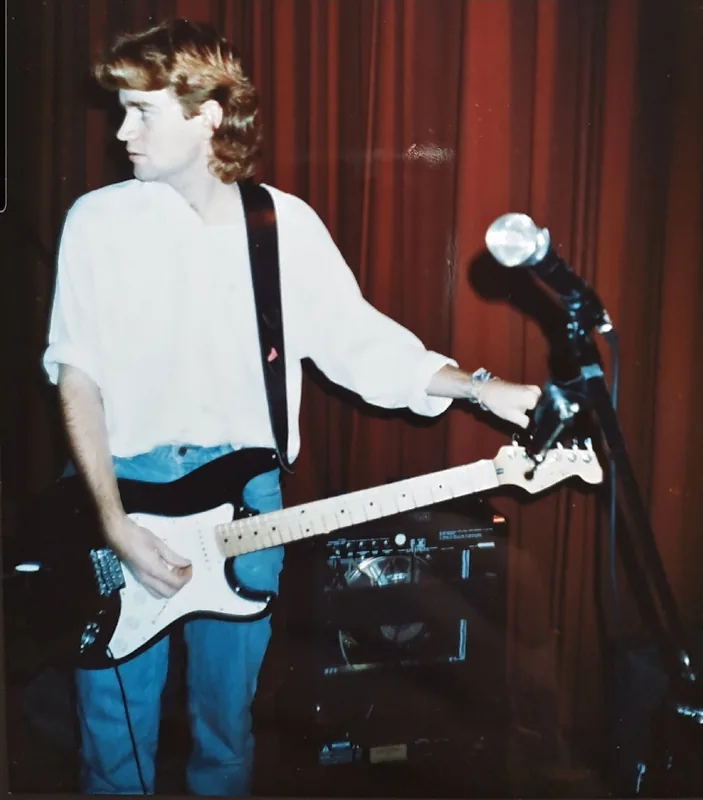
A band formed in the late 80s called Rescue with my friends Big Jeff, Scotty and Stuart. We developed amidst the so-called Garage Bands Movement in our part of Melbourne's suburbs. A very cool councilman called Nick Foa spearheaded a program to fund development of local bands by setting up a youth venue to perform at, a rehearsal space and the somewhat bizarre Safe Train project. We played that train-line from Lilydale to Flinders Street station many Saturday nights, a rock band jammed into the door-well of a carriage for an hour. It was a load of fun and an effective program with police on the train to get youth safely in and out of the city. It was a time with some exciting memories and perhaps a few cringe 80s moments. Just a few though.
Around 1991 I completed my tenure as a rock guitarist and the video evidence from this era is heavily protected in an undisclosed location. The day Nirvana released Never Mind was the day we packed up our chorus pedals and went home to do something else. I hated grunge and still do, but unfortunately everyone else loved it, so I stopped playing for some years.
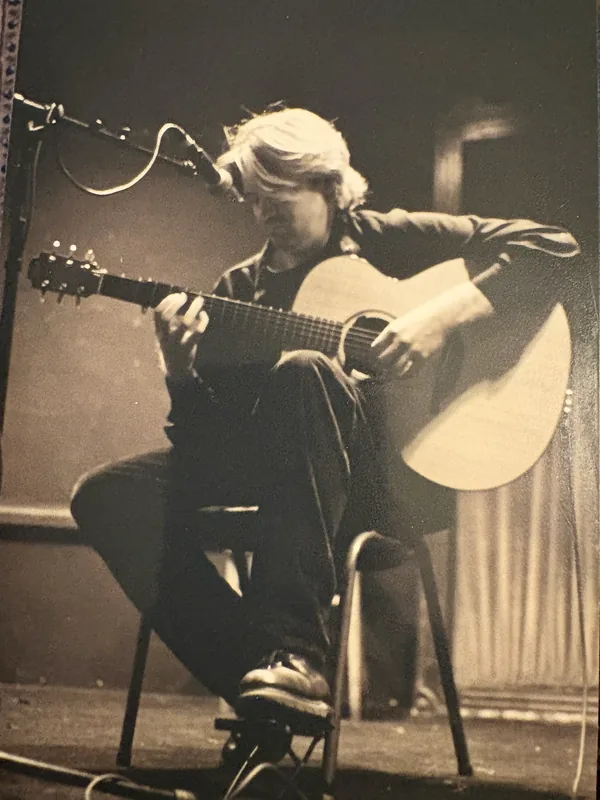
In 1994, I bought a Maton steel-string at the local guitar shop in suburban Melbourne in my university days and started turning the tuning pegs without any particular plan. I didn't really know that fingerstyle guitar was a thing at this stage. I was making it up as I went along for my own entertainment. A night-owl by nature, I did most of my playing very late, so had to play quietly. This probably played a role in how I write music to this day.
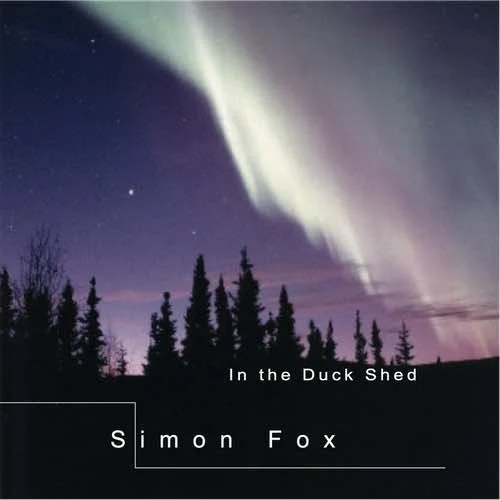
Before long a collection of early fingerstyle pieces emerged and the best of these tunes ended up on the Duck Shed album which I recorded later on. It was the mid-1990s and I started playing a few small events. One in particular stands out as a lovely day in the Dandenong Range mountains not far from Melbourne at an art show. Out in the forest setting among artists on a warm day, just noodling away with my many weird open tunings. As I recall, the night ended with some fire juggling, my other hobby at that time. The two are not compatible it turns out, from a fingernail management perspective.
These first recordings started at the so-called "House of Stairs" where 4 post-graduate computer science students attempted to be productive in what amounted to a circus tent shaped like a house. My friends Big Sime and Tim set up an odd assortment of equipment that resulted in a video cassette of audio. At the time it was felt this was the superior format for some reason. I produced a cassette tape and I likely have the last surviving copy. I was able to recover some tunes from this recording and included them in the Duck Shed Songbook as an extra.
02Duck Sheds and Celtic Guitar
Perth · London 1998–2003
“This song will not hurt anyone”
... weird feedback I once received
“I never sought to be primarily a Celtic guitarist though, the influence just crept in as my own style was developing.”
I was having difficulty managing all the different tunings I'd dreamt up and when a Pat Kirtley Celtic Guitar CD arrived in the mail one day around 1997, I discovered DADGAD. Around this time, I had moved over to Perth, Western Australia and had immersed myself in the vibrant folk scene there. In hindsight I took for granted the willingness of local organizers to include new musicians in events and nurture their skills.
I had been building a set of new tunes using DADGAD, including a first Celtic effort The Purple Turtle. A boutique acoustic guitar shop had opened recently in Perth owned by Rod Vervest, a lovely guy and wonderful bluegrass musician. I upgraded my Maton guitar and spent a lot of time in the store. As was the Perth way, Rod saw a way to help me out and offered me the support slot for Tony McManus at the Kulcha venue in Fremantle. I hadn't played a concert set before, and played a nervy set but did ok. We had all stood dumbfounded watching Tony's soundcheck. It reminded me of the time I went to a juggling club and saw someone cruising 7 balls. An odd comparison perhaps, but these moments of seeing something extraordinary are rare treats.
Perth became a hot-bed of Celtic aspiration after Tony's concert. I never had much interest in learning other people's tunes, so my fascination with this new influence took a different path. I was aware that my mellow Windham Hill style lacked dynamics and rhythm, and I often felt constrained by that. Also it was going to make live performances difficult to find outside of small venues. I tried to absorb those dynamic elements, and the left-hand technique I had already started developing with long runs of hammers and pull-offs was a natural fit for Celtic ideas. I never sought to be primarily a Celtic guitarist though, the influence just crept in as my own style was developing.
While living in London a little later, I had come across Pierre Bensusan in my pursuit of DADGAD and while ended up taking his residential seminar course. It was there that I connected the dots between my understanding of modal scales from the electric guitar days, to the fingerstyle world. In DADGAD, it anchors the concept mostly around D and allows for a more disciplined approach to the tuning, something I was struggling with.
Around 2000 I heard about a guy called Lee Buddle, the local acoustic music specialist. Every town has one, Lee is a rare gem with a deep understanding of acoustic audio. He was still setting up his studio where I would later record, but still in his home studio we had a brilliant time recording the Duck Shed album over a blistering Perth summer. It was a very relaxed affair without expectations or pressure.
03Night Fishing
Perth · London 1998–2003
“It took two tries to record this album.”
“We took our time to find the perfect mic and pre-amp combination to suit the Lowden guitar and my playing.”
The “Night Fishing” album was recorded between around 2001 and 2003, in Perth Western Australia. Literally as the Duck Shed CDs were off to the press, the first tune for Night Fishing appeared - Ullapool Decision. My songs are often named as musical diary entries, this one about a backpacking trip in Scotland where a critical decision about the preferred hostel for the evening was undertaken. In Ullapool.
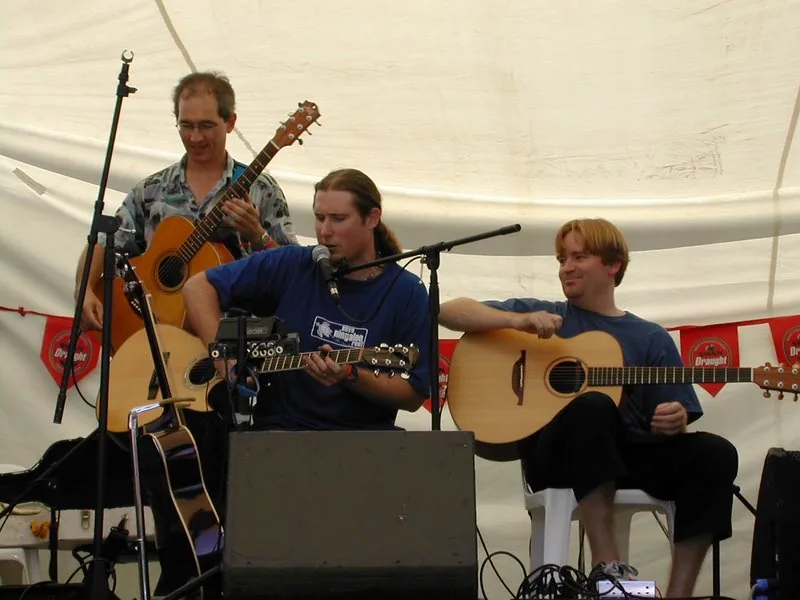
During this time I was part of a wonderful community of folk musicians in Perth. In this south-west corner of Australia there were several festivals, Fairbridge and Nannup, along with the Kulcha venue in Fremantle. And all were willing to give new artists a stage, offer support slots when touring artists visited, sit together in a loungeroom to work on new ideas and share like grown adults. I took it for granted at the time and didn't appreciate what we had.
It was a great environment to spend 18 months slowly recording an album, a labour of love unhurried with the Lowden guitar in full bloom with Lee's stereo mic expertise. We took our time to find the perfect mic and pre-amp combination to suit the Lowden guitar and my playing. It still remains far and away the best recording quality I've had all these years. The CD boxes arrived in time for the 2003 Fairbridge Festival, and I was gifted some full time-slots in the church venue there with the natural reverb.
It took two tries to record this album. When I started the first time, the songs were far ahead of my abilities and we had the good sense to stop at some point. Lee sent me home with a metronome and some ideas on what was needed to make this work. Rhythm had always been a weak spot, and it had not really been exposed on the candle-burner Duck Shed album. But with the Celtic ideas in play here, it needed work, even on the slower tunes like The Fisherman. When I came back about 6 months later, we started again from a better place.
One of the highlights of this recording was having violin maestro Paul Wright play his part on The Fisherman and an old Scottish tune that was only available in the first CD run in Australia. A classically trained player, Paul valiantly battled on in F# due to my 4th fret capo position on the Scottish tune. At some point he explained this was perhaps the worst possible key for a violin, and I sheepishly explained that the capo could have easily gone down a fret. We live and learn. He improvised a lovely solo part on The Fisherman outro.
04Canada — A Winter's Tale
Calgary · Vancouver Island 2003–2005
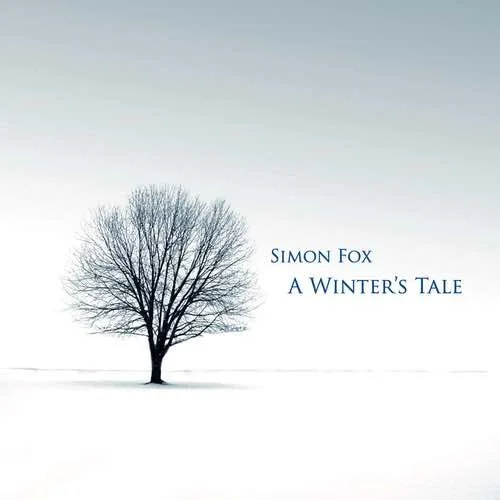
“Leaving on a 40 degree day in Perth and arriving to -30 degrees in Calgary took some adjusting for both me and my guitar.”
My love of airline tickets found me on another adventure, this time heading north. Leaving on a 40 degree day in Perth and arriving to -30 degrees in Calgary took some adjusting for both me and my guitar. The 10% winter prairie humidity was not kind on my Taylor. We had a one-year working holiday visa and I set to work playing anywhere I could - a few Calgary cafes and a nice folk club gig, including slipping on the ice out the front in front of everyone. Two shows for the price of one!
Once the novelty of snow wore off, we headed for Vancouver Island in pursuit of more temperate and less land-locked surrounds. Like Perth, Vancouver Island was another hot-bed of folk activity, with clubs dotted across the island and a community of guitar fiends willing to make room for a new face. It was a brilliant year spent working on my DADGAD Celtic Guitar book, playing friendly gigs around the place anywhere that would have me.
The guitar book was a labor of love, and while the contract ultimately fell through, it taught me a lot about how to write tab and notation. I was also able to re-purpose the material in an educational website which I think was helpful to a lot of people. It was perhaps a little dry in hindsight, too focused on getting across my math-nerd brain approach to fingerstyle guitar. This was a lesson I would learn again with my instructional DVD product. The new materials in development now will finally set this right!
Soon it was time to return to Australia and wait for longer term visas to process. It ended up taking two years, and in that time I recorded the Winter's Tale album. This was a fairly low-budget recording compared to Night Fishing, and was all solo guitar. This was the only recording that used to Taylor 514ce I was playing back then. It's a very silky guitar and while lacking the stunning bloom of the Lowden I previously played, it was very versatile and promoted a different style. The album ended up quite 'guitary' with some difficult pieces I haven't attempted in a while. The tune A Month of Rain is a dear sentimental piece for me, a lost treasure I recently relearned from the tab. It took a long time to commit it to memory, and there it will stay.
05Guitar Heaven and the Great Silence
Western Australia · Vancouver 2006–2010
“It was the best 6 weeks of my life...”
“Email, letters, CDs, phone calls, all forms of communication were met with silence across this great white northern country.”
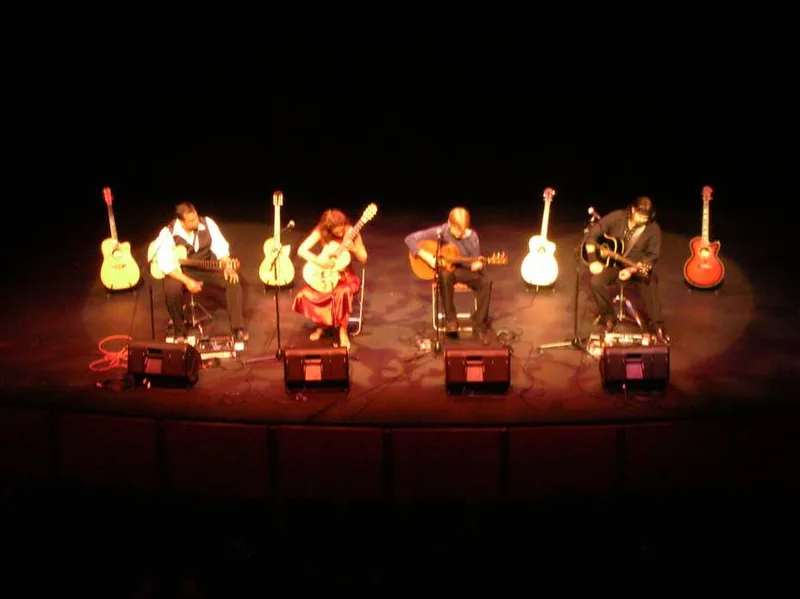
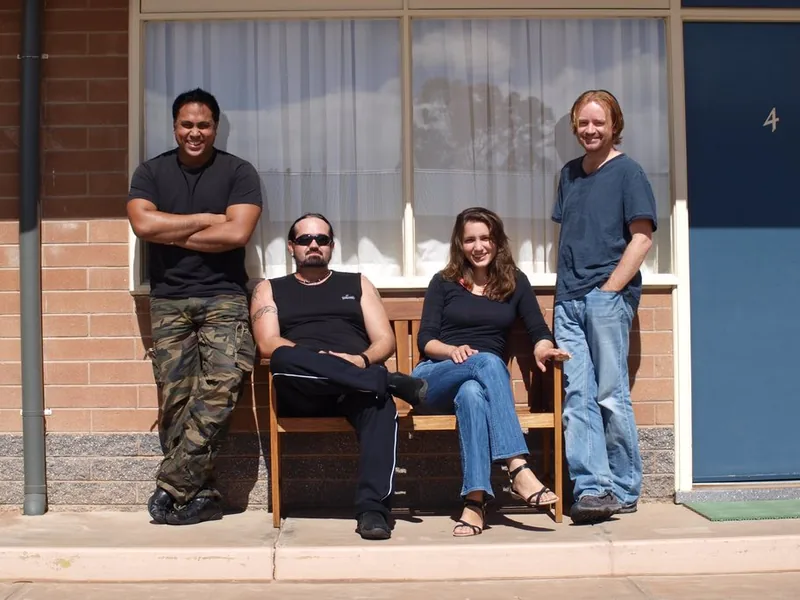
My playing was becoming a lot smoother under the influence of the Taylor 514 with the left-hand legato technique taking a bigger role in my approach. I felt like I had my own style working now, and was more confident about playing these tunes in live settings. Around 2006, some fellow Western Australian guitar friends were successful in booking a Country Arts tour, a program where the tour is funded to bring arts to smaller towns. Our little show was called Guitar Heaven, a quartet comprised of Guy and Damo from 'Desert Child", Milica Ilic and myself. Desert Child were two killer guitarists, and hilarious travel companions. Milica brought the glamour to every stage with her beautiful classical guitar playing. And a lot of laughs on the road too. It was the best 6 weeks of my life, and while we did a few smaller tours in the following years, the first was the best by far.
After the tour, it was time to return to Canada. It felt incongruous and remote after all the excitement of the tour. Returning to a foreign country felt daunting, though I had my Vancouer Island community to reconnect with. Or so I thought. It had been two years and the world had moved on in many ways. Our friends had moved to the city of Vancouver on the mainland, so we followed them there. While it's an amazing city, it is alas a wasteland for aspiring musicians. On top of that, my old contacts weren't answering the phone anymore. No-one was.
Things were changing in the music world. Fingerstyle guitar was being taken over by the percussive tappers with their dazzling array of harmomics, guitar body contact rhythm and two-handed tapping skills. This impressive style coincided with the social changes around short-form social media and mobile devices around the 2008 era. I started to notice the gigs I could manage to book were more like 15 minute cameos with 5 other guitarists on stage than the old long-form evening sets. And it wasn't just me, more established guitarists who previously commanded solo stages were now crossing the country for the dreaded "panel" gig where everyone else's 3 minute song suddenly becomes a 9 minute "medley".
Long-form entertainment was dying across the entire spectrum. Books became social media posts and podcasts. For me the Great Silence began. Email, letters, CDs, phone calls, all forms of communication were met with silence across this great white northern country. At some point I simply stopped, and just played for my own entertainment.
(I recently heard that Guy Ghouse from our Guitar Heaven team recently passed away. I hadn't seen Guy for some years and randomly walked into him a few years back in a remote town outside of Melbourne. I'm glad I got to see him this last time. Rest in peace old friend).
06Italy and New Zealand
Pieve di Soligo, Veneto 2011
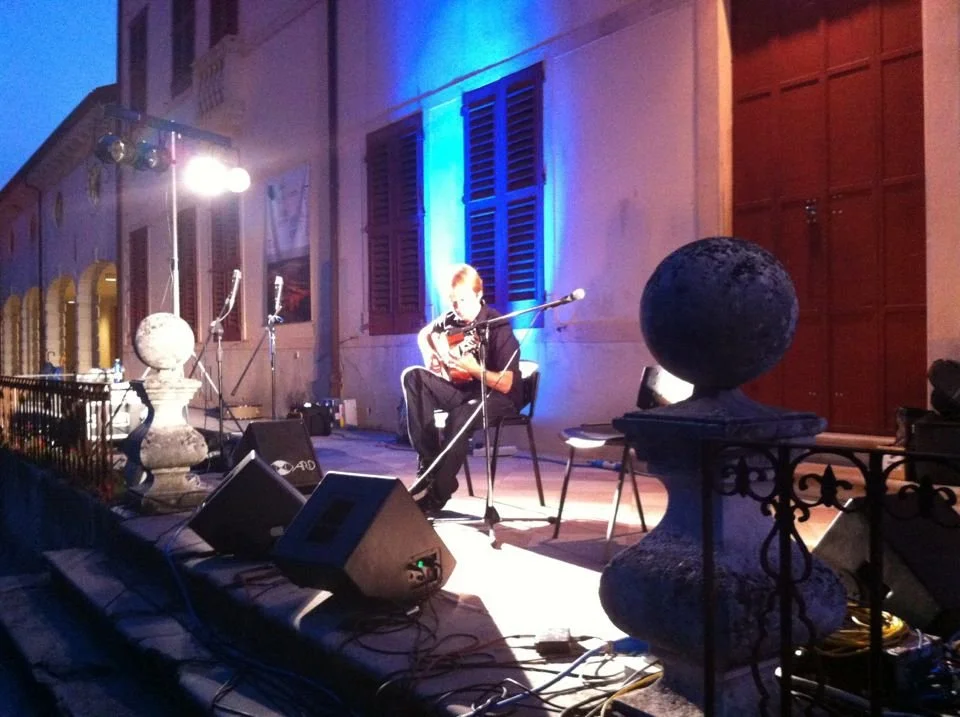
“So I started walking in a random direction, across the square, by the river, down that road over there, and magically I arrived at the glorious Hotel Conta. This is why planning anything is a bad idea.”
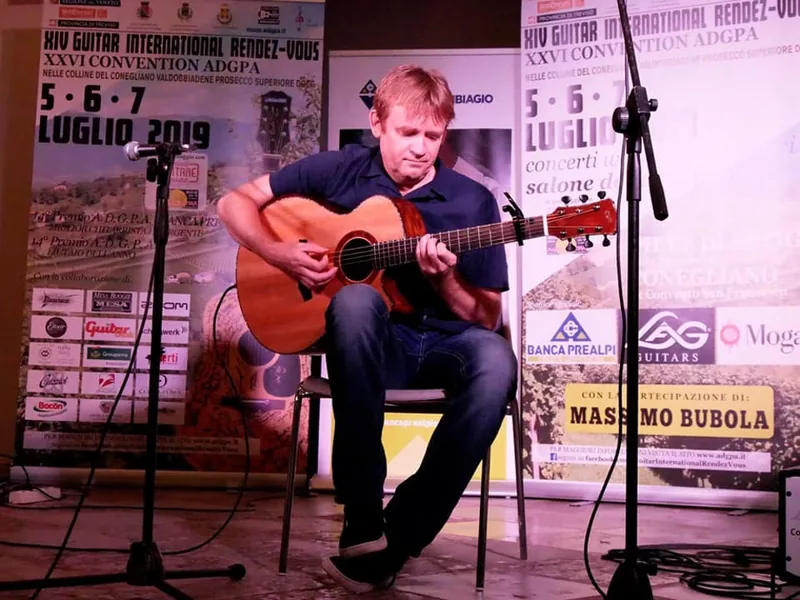
As fate would have it, I sold a CD to a guy called Massimo in Italy. We spoke online about guitar things, and next thing I knew I was invited to play at the ADGPA festival in Pieve Di Soligo, not far from Venice and Treviso. Take that Vancouver, where I was still being rejected for Sunday afternoon art fairs (and still am). Once again, I set off on another adventure with little idea what to expect.
After crossing the Atlantic and landing in Venice, I had the task of finding my way to Pieve, a small town requiring trains and buses, and ... reading a lot of Italian. The first thing I did was locate the correct bus and then take it in the opposite direction for 45 minutes. Upon arriving at a lovely beach town I had the jetlagged insight to realize I might not be in wine country. Ultimately I did make it to Pieve, and without a roaming data plan (it was 2011 after all), found myself standing at a bus-stop with zero idea where the hotel was. So I started walking in a random direction, across the square, by the river, down that road over there, and magically I arrived at the glorious Hotel Conta. This is why planning anything is a bad idea.
I learned early on that drinking alcohol and performing live are a bad combination for me. It's different to playing mandolin in a duo for example, where it doesn't hurt to loosen up a bit. Solo guitar is so exacting and my tunes are not far from the edge of what I can play live. There isn't a big margin for error, and I've learned a number of methods to manage that over the years. I used to practice making mistakes, or practice completely forgetting how the tune goes, so that when it inevitably happens there is a backup plan.
Massimo introduced me to Spritz on our first night hanging out at the festival in the town square of Conegliano, waiting for the first night. Some player was held up en-route and I was asked to fill in the evening slot. It was only a few drinks, but for me it's enough to destablize the rules of the game that I follow. So there I was setup on an absolutely stunning stage in an Italian town with a few Spritzes in the system, on a sweaty summer night. Ok, it's not exactly Guns and Roses level of debauchery, but then again Slash never had to play Mapping the Paddocks with clammy fingers.
The trip was absolutely brilliant, and I played in some once-in-a-lifetime settings. Perhaps not my best performances, but on the whole it was satisfying to manage all the unfamiliar scenarios and surprises. As a quieter personality, I rely on a bit of humour in my concerts to connect with the audience, and this presented a challenge without knowing the local language. I came to know one of the organizers in later visits to Italy and he would help translate for me onstage which made a huge difference.
The ADGPA festival is also a luthier's showcase, and I played some very cool guitars and met some lovely people. My own Laurie Williams guitar also attracted a lot of interest from the luthiers with its beautiful New Zealand Kauri woods, the unique bracing inside and Paua inlay work.
Laurie Williams is a luthier from New Zealand, using the local woods, and now other sound woods I believe. My particular Tui model uses the younger Kauri on the soundboard and the fascinating anceint Kauri wood on the back and sides with its deep patterns. It's a guitar with a rich tone palette and a lot of bloom on the notes, lending itself to the spacious open tunes in DADGAD and CGCGCD. Laurie doesn't hold back with his craftmanship and the inlay work is quite stunning. I would record the 4th album later on with this Tui guitar.
07A wrong turn with a bagpipe tuning?
Vancouver, British Columbia 2011–2014
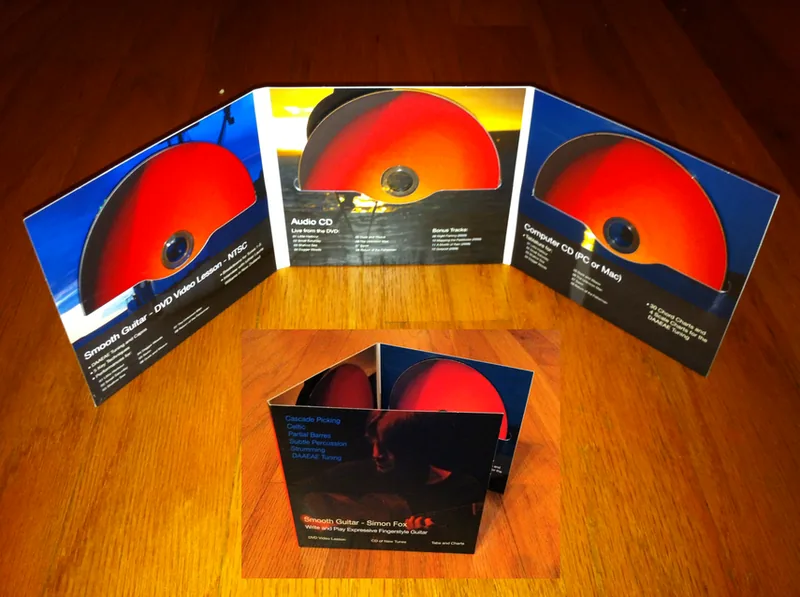
“Heavy drones and jagged chanters have a short shelf-life on the ears.”
“What sounds pretty one metre from a wooden instrument, sounds like a swampy bass through a PA and tires the ears too quickly.”
As we settled into Vancouver and adjusted to life in Canada, I drifted down an odd path with the DAAEAE tuning. It's a curiousity designed for playing bagpipe tunes with fingerstyle. The two unison A bass strings play the heavy drone and the top EAE strings offer wide melodies like a chanter. I never had the big right-hand chops to play all those Celtic triplets, but my left-hand does some snappy ornaments and in this tuning occasionally I found it would land heavily in that bagpipe effect. It was a little hit and miss though, and I wondered if there were other factors like the state of the strings involved.
In any case, heavy drones and jagged chanters have a short shelf-life on the ears, and in my curiosity I started digging deeper into the tuning for my own kind of fluid, melodic tunes. I found that the 2 unison A bass notes opened a very nice idea that wasn't available in tunings like DADGAD, where those strings could more readily take part in the melody, with short intervals easily available. Chord shapes around the first position of the neck led to pretty melodies around the bass, which could quickly open out with those wide intervals on the top strings.
The challenge with DADGAD is that sometimes you run out of ideas and start writing songs in B flat and C minor to keep things interesting. Those aren't your best songs, and so finding a tuning like DAAEAE to write 10 new songs in suddenly is great fun. But while I did love those tunes, the tuning has a serious drawback. The bass A strings don't play nicely with live PA equipment. What sounds pretty one metre from a wooden instrument, sounds like a swampy bass through a PA and tires the ears too quickly. I discovered this the hard way on another Guitar Heaven tour armed with a full set of DAAEAE tunes. It's not the end of the world, much of it worked fine, but something about it didn't quite land.
The other problem with DAAEAE, is that when you make an instructional DVD excitedly sharing this rich vein of new fingerstyle ideas, others don't really want their guitar stuck in some bizarre tuning for long, and the enthusiasm fades. It's a shame because I put a lot of work into the Smooth Guitar DVD and really tried to impress the underlying ideas rather than the tuning and tunes themselves, but it didn't really land.
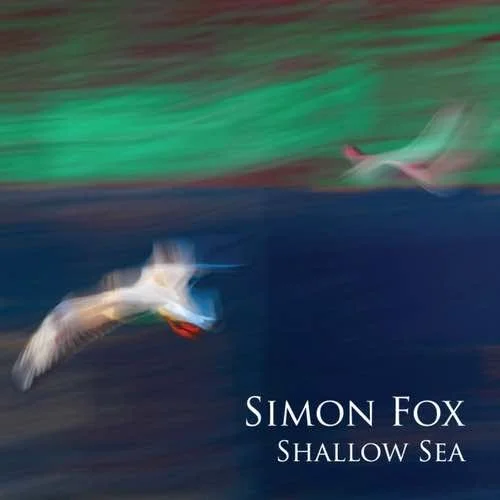
Perhaps DAAEAE was a very lengthy wrong turn, but I do have a handful of tunes that are sentimental to me, so I can't be too unhappy. Little Harbour and Shallow Sea appeared on the album Shallow Sea. And there are two unrecorded pieces Small Saturday and another without a name, part of which is on a medley YouTube video. These will be recorded shortly and I think will be a nice way to close that chapter.
08Shallow Sea
Perth · Vancouver 2015
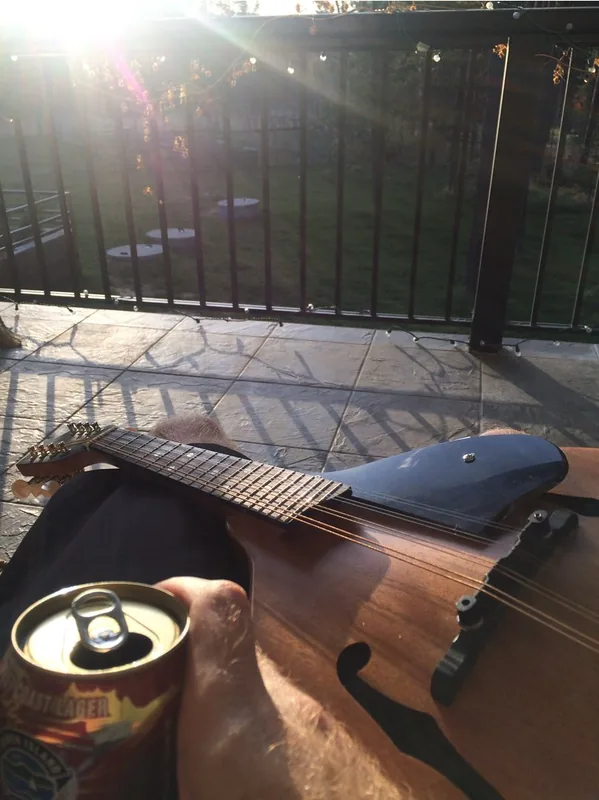
“That's how it goes, you spend months searching for a new idea without luck and then out of nowhere it arrives”
After another epic journey to Italy to play, and some fun gigs while visiting Australia it was time to record again. I had a collection of tunes ready for a while, and feared some would slip away forever if I didn't record them soon. Around 2010 I had sent a demo set to William Ackerman, my old guitar hero, for some pre-production notes with the idea of recording at his Imaginary Roads studio. The notes were very helpful, though I couldn't afford the cost at the time and didn't go ahead with the plan.
It was perhaps for the best as in hindsight I was still in the middle of a long journey to figure out where I was going with my writing. The tunes weren't cohesive and I was still somewhat saddled by the DAAEAE tuning. But in the following years I drifted to CGCGCD and CGDGCD tunings, more pleasant to the ears. In particular the so-called Orkney tuning CGDCGD offered up the Northern Light, Black Water and Painted Hills tunes. The tuning is quite different to CGCGCD, (a close cousin of DADGAD), because of that one D string in the bass area. It moves the natural root key of the tuning from C to G, and this completely changes how the tuning works. For this reason too, it shares some ideas with DAAEAE, but has a far more pleasant tonal palette.
My favourite tune from that whole era is Northern Light, and it emerged out of nowhere during a soundcheck in Melbourne. That's how it goes, you spend months searching for a new idea without luck and then out of nowhere it arrives. Keeping a curious ear open is the key to capturing these moments! With a more cohesive set of tunes developing, and still some interesting ideas from the DAAEAE era, I decided it was time.
In the past I had recorded very slowly, a few tunes at a time with Lee Buddle in Perth, Western Australia. Lee specialized in acoustic recording at his SoundMine studio and we would record a song at a time over a Saturday afternoon or an evening. Producing an entire album could take anywhere up to a year like this, as I would focus on those few tunes at a time to prepare them thoroughly for the session.
For the Shallow Sea album in 2015 I wanted to try something different, and record the album in two weeks. It proved very difficult however, the hours of pre-session rehearsal and the task of playing in the studio for long hours caused great strain in my back and neck. Recording acoustic guitar with sensitive mics pointed at you requires almost complete stillness while playing, to avoid scrapes and scratches. Along with a series of other technical problems, the recording was troubled from the start. I wasn't able to record the Celtic DAAEAE pieces by the end, but still we did capture some real gems and probably the album genuinely reflected how life was going at the time - difficult times personally with enough delightful moments to make it all worthwhile.
Here in 2026 as I plan the next recording a decade later, I plan to re-record Lonely Venice, Black Water and maybe Rain Sparkles. None of these got the treatment they deserved, and were also limited by a lower capo position than intended for technical reasons at the time. Lonely Venice turned out to be the highlight from the album. In live performances with the higher capo position it's a very sweet tune that is well-received. This past year I have taught myself how to play Rain Sparkles again, by painstakingly reading my own tab. I have a deeper appreciation for those learning from my tabs - it takes patience! This tune in particular is a labyrinthine journey that deserves a more delicate recording. Finally, my sentimental favourtie from the album is Flicker, simple guitar with some sweet fiddle that started out as a mandolin melody I wrote. The title Shallow Sea comes from a lyric from an old Aussie classic song Short Note by a band called Matt Finish from the 80's.
09Back to DADGAD
Vancouver, British Columbia 2016–2019
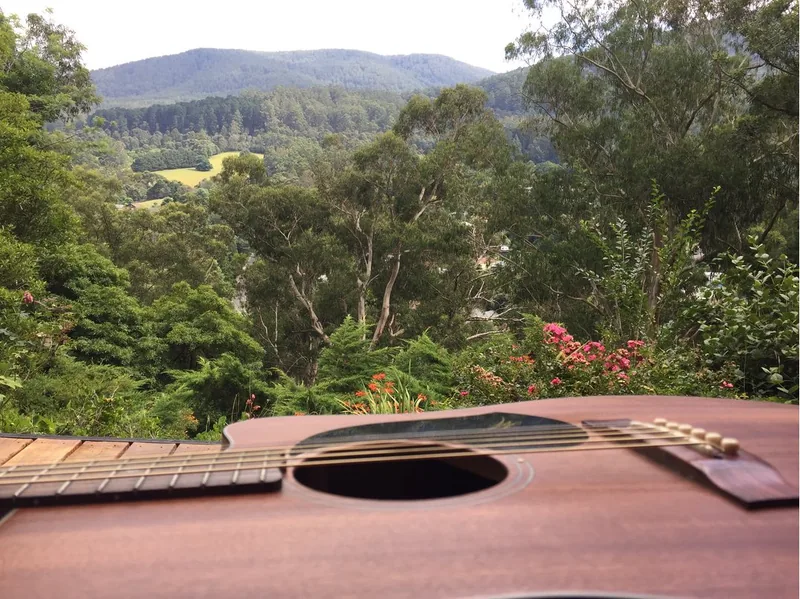
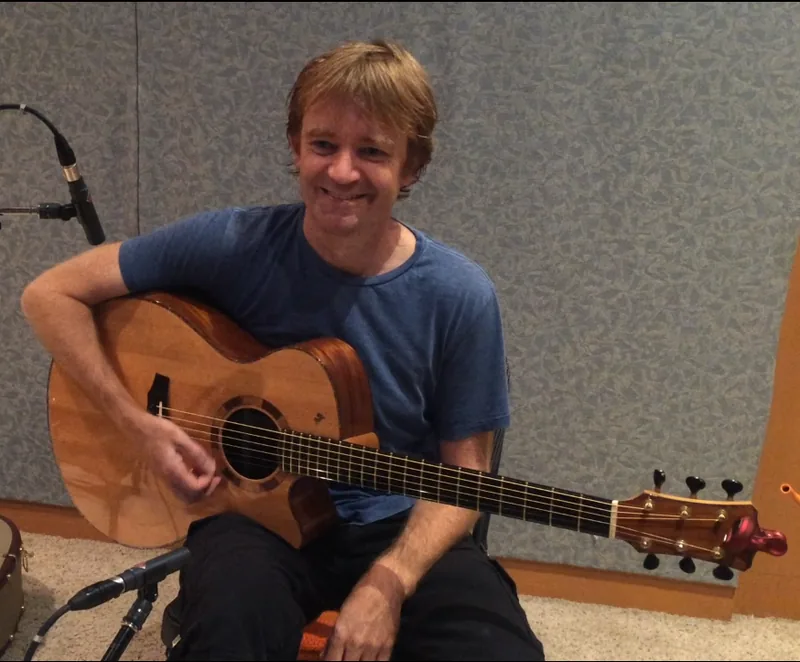
“... sometimes someone else has to suffer for your art.”
After releasing the Shallow Sea album to mostly silence, I put the guitar down for several years. I hardly played at all until around 2018 and didn't even have a guitar in this period. Meanwhile the entire music industry had somehow surrendered to a Swedish tech startup called Spotify. Imagine that, all the combined might of the largest record companies in the world decided to hand editorial control of the music industry to some tech startup. Maybe they got what they deserved, but it's a pitiful capitulation unmatched in the modern business world.
The downstream impact of the Spotification of the music world was that the post-gig CD tables were rapidly dwindling. Vinyl started appearing in a counter-effort, but it was a lost cause. Apart from the loss of the musician's primary income source, it also killed the post-gig meet and chat with the audience. The connection was reduced to a stream statistic. It was the end of an era in many ways.
In late 2017 I was on another AirBnb adventure in the depths of a Toronto winter and wandered into a Long & McQuade guitar shop. A Taylor 314 was available for rent and I was feeling isolated and bored, so what better time than to rent a nice guitar. It was a particularly sweet one and it took about a week drawing complete blanks to find my way back into it. A half-finished DADGAD tune from 2014 suddenly came back to me out of nowhere, and I spent the next month working on what would later become "Mercy", released in 2023.
I also realized the creative damage done by smart phones in the same room while playing guitar. My earlier guitar time had always been spent listening to the cricket on the radio, or random BBC news just to fill the space. But phones are a constant attention draw and I realized it had to be removed from the room completely. Only then did something slowly thaw out, and I could enjoy the process of noodling about for fun.
I was bouncing around a bit during this time, but kept playing on my friend's $200 Yamaha guitar in Melbourne over that summer. Some new ideas were coming together but nothing very concrete. When I returned once more to Vancouver early 2018, about 7 DADGAD pieces arrived in a few weeks. I spent the next few months trying to capture them while I could. Repetition being my main memory device, I received occasional pleas from my poor roomie to maybe shut it down! I'd feel bad, but sometimes someone else has to suffer for your art.
10Wind and Waves
Vancouver, British Columbia 2020–now
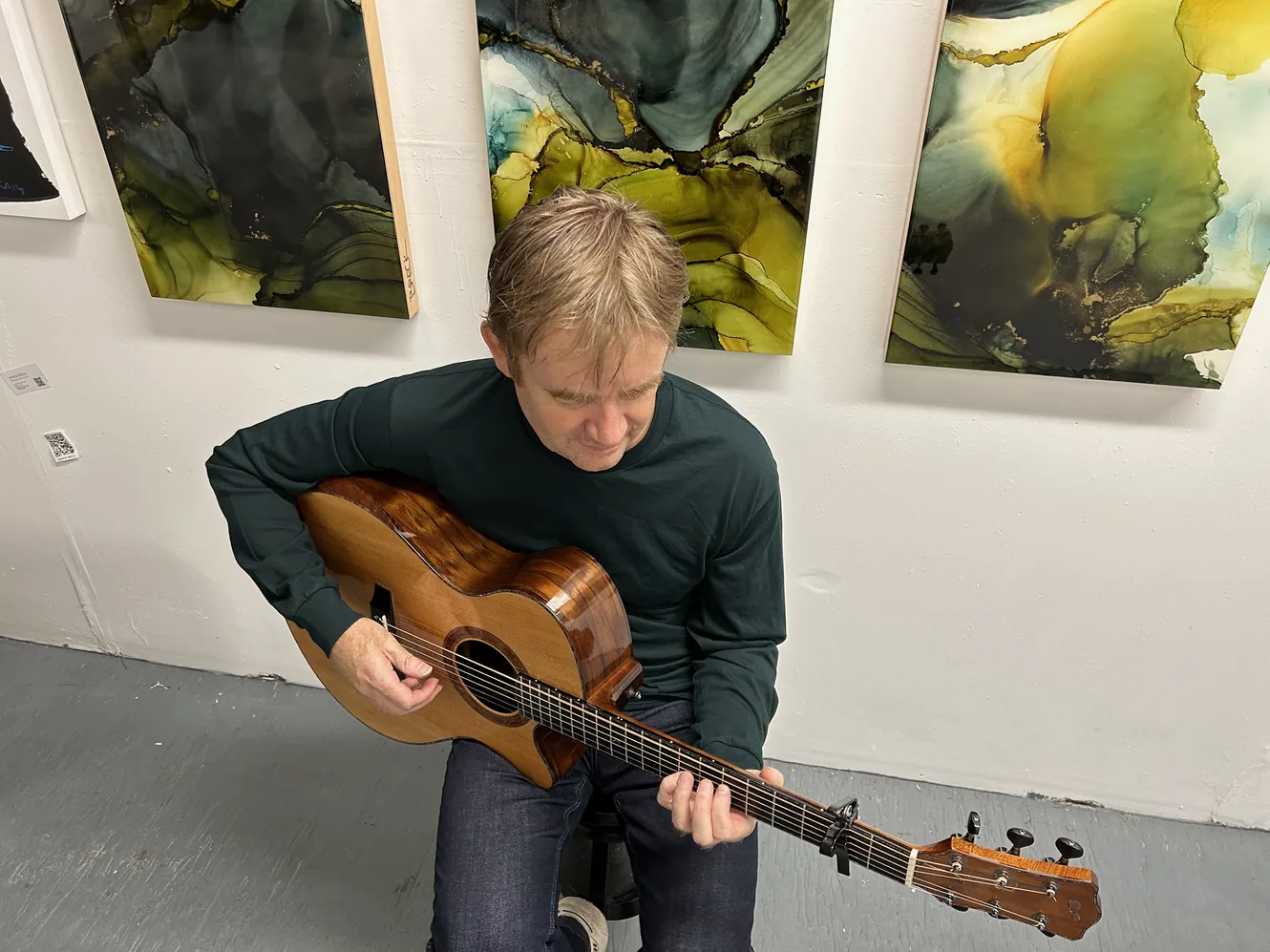
“A zealous fridge, occasional traffic and a few dogs made things difficult.”
With forward momentum happening and finding a settled home at last, Covid appeared. I tried to use the early lock-down period to practice and write some new tunes, but like every artist on the planet quickly ran into the limits of the zero input life. A few pieces appeared along the way along with some technical skills, but it was a dry period.
To be in reaching distance of my parents, I went back to Australia as their borders were clamped shut. After two weeks in hotel quarantine, again a creative wasteland, I started a new adventure in Brisbane Queensland where I would see out the pandemic. The tune Wind and Waves emerged one winter's night on the Gold Coast with the surf pounding in the distance. On the whole it was a difficult few years, as it was for everyone.
When I returned to Vancouver in 2022, I found a laneway house to live and instantly saw the potential as a home studio. It was quiet at night in the back streets of Mount Pleasant and I setup a pair of Rode stereo mics and gave it a try. I captured quite a lot of audio, but was battling the limitations of home recording. A zealous fridge, occasional traffic and a few dogs made things difficult.
I did emerge with 3 tunes however, and my old friend Lee Buddle in Perth was able to help improve the audio to release standard with his mastering skill. These are the tunes: Iris, Mercy and Wind and Waves. Iris was an Aussie shepherd who shared her last 6 months with me and made me a dog-person. She deserved a good song and I hope this did her justice.
Mercy is a DADGAD tune, the one I'm most proud of from that set. We put a lot of time into producting a tablature package a little more interesting than the usual PDF zip file for Iris and Mercy. There's a lot of interesting DADGAD ideas in these tunes, and I'm still hopeful they will find an audience some day.
There is a new idea afoot to capture 20+ unrecorded pieces from across the last 15 years, many mentioned in my little story here. My old friend Lee is helping again with an interesting recording method which I'll talk more about soon. Stay tuned, as there is a lot of new material ahead.